Author: Tom Whitlock

  • Washed, natural, honey: what processing does to the cup

    Washed, natural, honey: what processing does to the cup

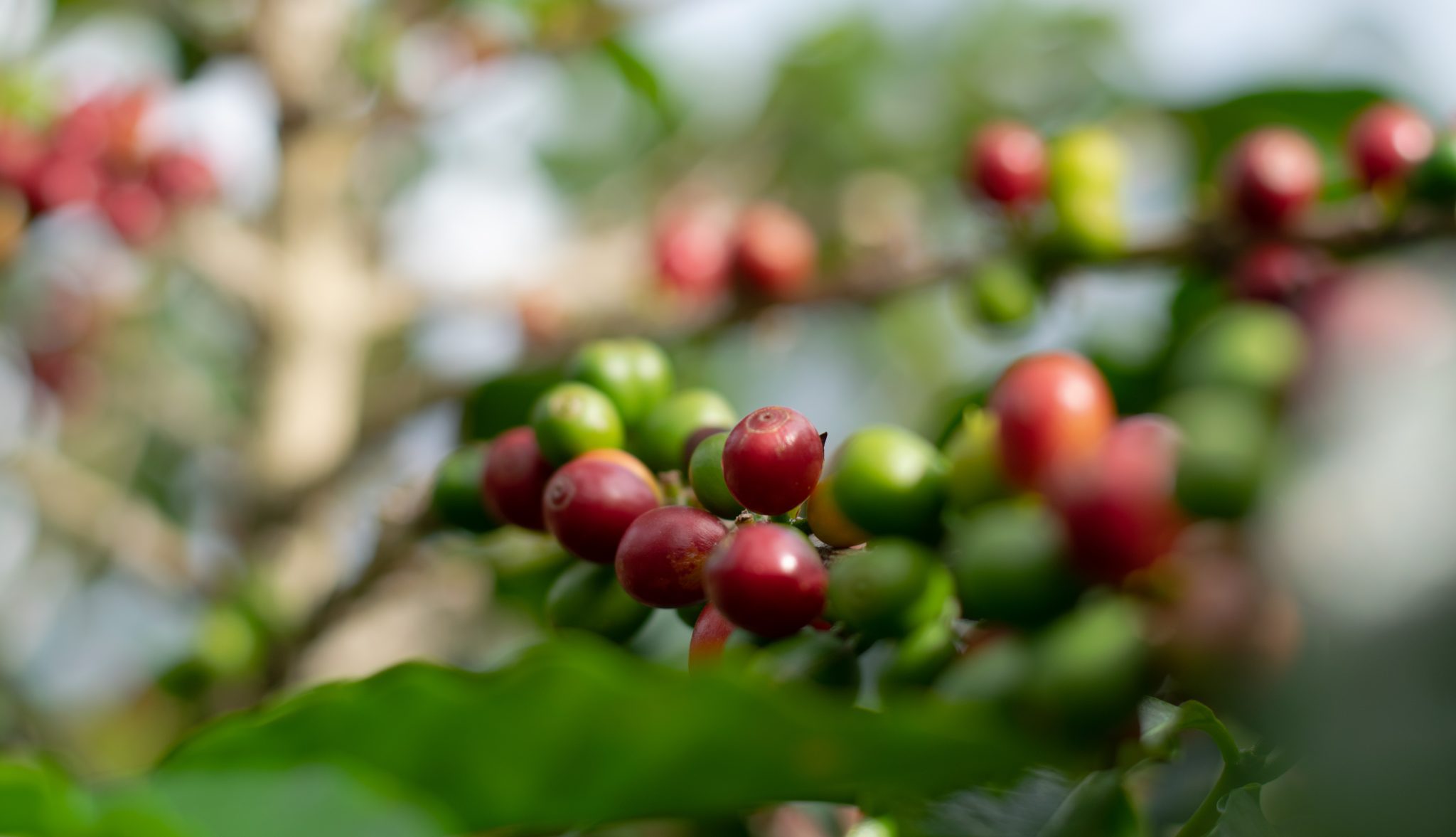
    Processing is what happens between picking the coffee cherry and drying the seed inside it, and it changes the flavour of the cup as much as the variety or the altitude.

    Washed

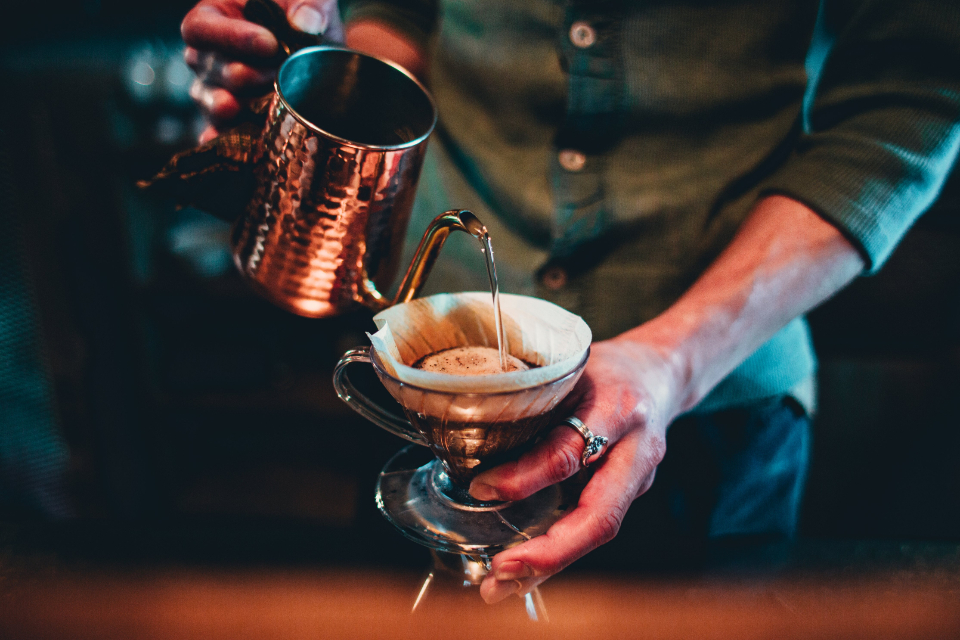
    The fruit is removed before drying, and the seeds ferment briefly in water. Washed coffees taste clean and bright, with clear acidity. Our Yirgacheffe Konga is a classic example: tea-like and floral.

    Natural

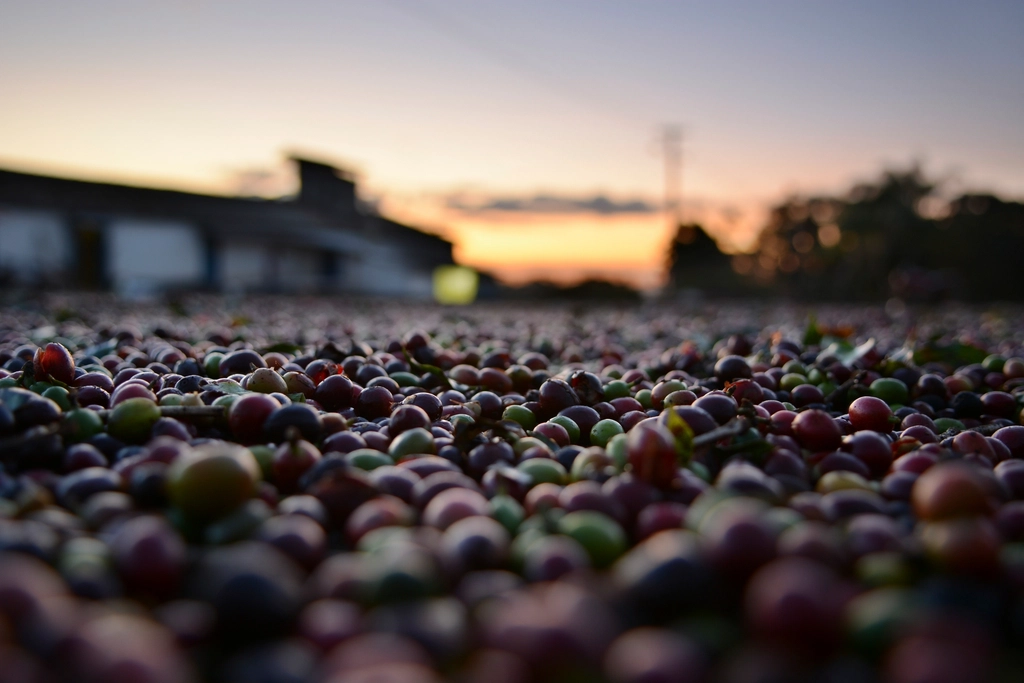
    The whole cherry dries in the sun for three to four weeks before the fruit is removed. Naturals are fruit-forward and heavier, with berry and wine-like notes, but they need careful drying to avoid off flavours.

    Honey

    Some of the fruit’s sticky mucilage is left on the seed as it dries. The result sits between washed and natural: sweeter and rounder than washed, cleaner than natural.

    Next time you visit the café, ask to taste a washed and a natural from the same farm side by side. The difference is surprising.
  • Dialling in espresso at home in five shots

    Dialling in espresso at home in five shots

    Dialling in means adjusting your grind until a shot tastes balanced. It feels daunting, but with a scale and a timer you can get there in five shots or fewer.

    Fix the variables

    Keep your dose at 18 g and aim for 36 g of liquid espresso. Only change the grind. Weigh every shot, and start the timer when you press the button.

    Read the shot

    Under 25 seconds and sour or thin: grind finer. Over 35 seconds and bitter or dry: grind coarser. When it lands between 27 and 32 seconds, taste it before you change anything else.

    Then adjust to taste

    Once the time is right, small changes in yield tune the flavour. A slightly longer shot, 40 g, softens a bright coffee. A shorter one, 32 g, adds body to a mellow one.

  • Back in Tolima: harvest notes from Finca El Paraíso

    Back in Tolima: harvest notes from Finca El Paraíso

    In June our head roaster Tom spent ten days in Tolima, Colombia, during the main harvest at Finca El Paraíso, the farm we have bought from every year since 2018.

    Doña Marta Rojas has replanted a third of the farm with Castillo and Pink Bourbon over the past five years, and this year’s lots are the best we have cupped from her. Tom helped with picking on the upper slopes at 1,900 metres and with the slow raised-bed drying that gives this coffee its sweetness.

    What changed this year

    A new solar dryer has cut drying time in wet weather from four weeks to eighteen days and reduced defects. We agreed a price 15 percent above last year’s, and a three-year commitment so Marta can plan the next stage of replanting.

    The new crop lands in Melbourne in October. It will be on the roaster, and in the café, the week it arrives.

  • Why we weigh everything (and you should too)

    Why we weigh everything (and you should too)

    A scoop of coffee can weigh anywhere from 7 to 12 grams depending on the bean and the roast. That is why two cups brewed with the same scoop can taste completely different.

    A kitchen scale that reads to 0.1 g costs about $25 and is the single biggest improvement most people can make to their home coffee. Weigh the beans, weigh the water, and keep the ratio constant: around 1 gram of coffee to 16 grams of water for filter, and 1 to 2 for espresso.

    Once the ratio is fixed, you can change one thing at a time, grind, temperature or brew time, and actually learn what each change does.

    A simple routine

    Put the brewer and cup on the scale, tare it, add your ground coffee and note the weight, then tare again and pour. It adds perhaps twenty seconds to your morning, and it is the reason our baristas can make the same coffee taste the same at 7 am and at 2 pm.

  • How to store coffee so it stays fresh

    How to store coffee so it stays fresh

    Coffee’s enemies are air, light, heat and moisture. Keep beans in their resealable bag with the air pressed out, or in an opaque airtight canister, in a cupboard away from the stove.

    Should coffee go in the fridge?

    No. The fridge is humid and full of smells that coffee absorbs. The freezer is fine for longer storage if you portion beans into airtight bags and only take out what you will use within a week, without refreezing.

    Whole bean or ground?

    Ground coffee goes stale in days because so much more surface is exposed to air. If you can, buy whole bean and grind just before brewing.

    How long does a bag last?

    Unopened, a sealed bag with a one-way valve keeps coffee tasting good for six to eight weeks from roasting. Once opened, aim to finish it within three weeks. That is why our subscriptions default to a size that a typical household drinks in about a fortnight.

  • Home barista classes are back in November

    Home barista classes are back in November

    Our two-hour home barista classes return to the Gertrude Street café on Saturday afternoons from 8 November. Each class is limited to six people so everyone gets time on the machine.

    What you will learn

    • How to dial in a new coffee using a scale and a timer.
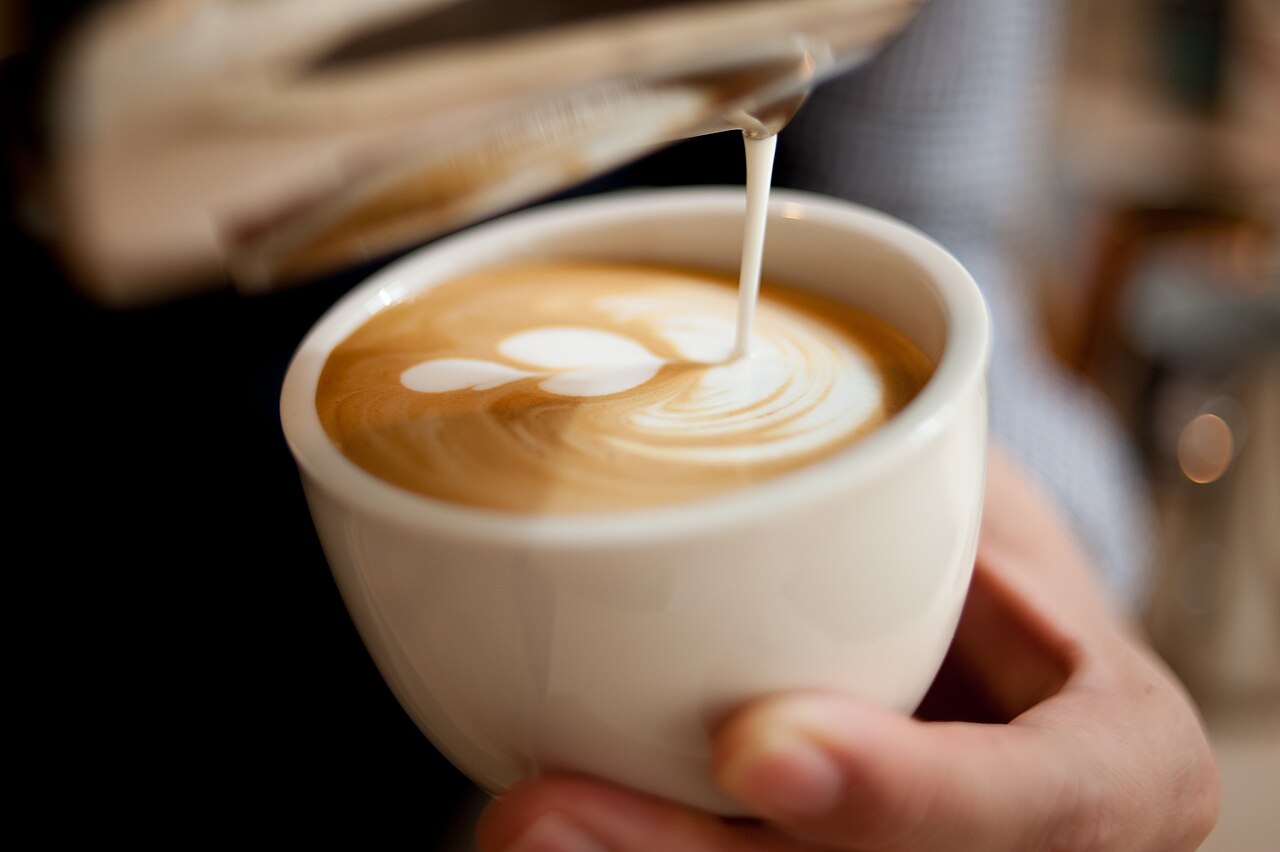
    • Steaming milk for flat whites and lattes, and the basics of latte art.
    • Cleaning and simple maintenance to keep your machine running well.

    Classes cost $95 and include a 250 g bag of coffee to take home. Book in the café or by emailing hello@emberandoak.example.

    Who the class is for

    The class suits anyone with a home espresso machine, from a first machine still in its box to a well-used dual boiler. Bring your own milk jug if you have one. Gift vouchers are available, and every booking can be moved to another date with a week’s notice.